Give you the best buying advice
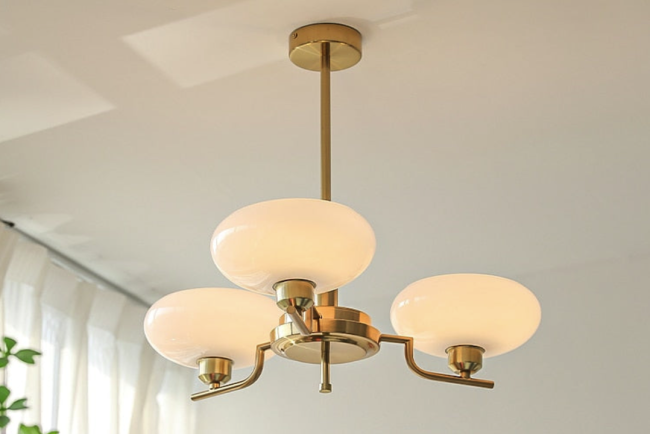
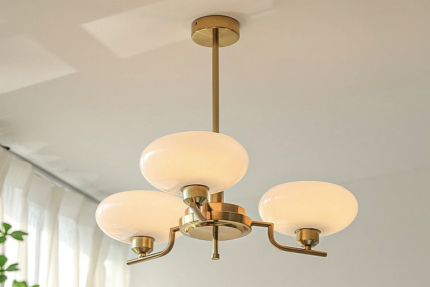
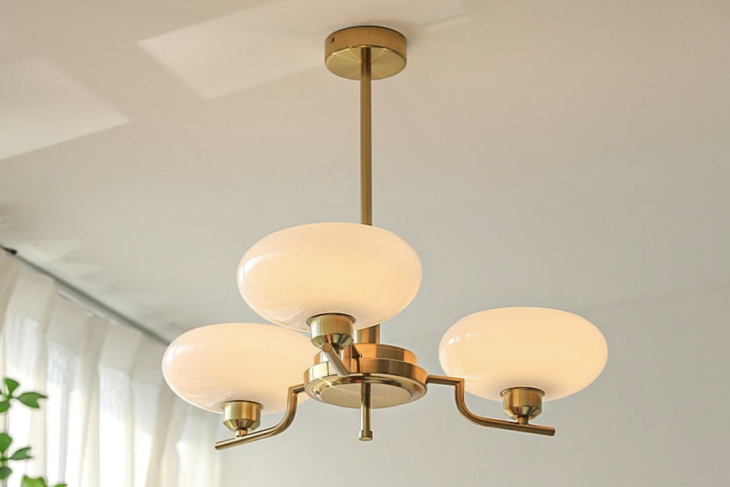
Opal glass and brass arm lighting fixtures represent a distinct category within decorative and functional illumination. These luminaires often feature a combination of materials chosen for their aesthetic appeal and light-diffusing properties. The opal glass, typically milk-white or frosted, serves to soften and homogenize light, […]
Lighting
Milk glass chandeliers have a long history, and when combined with Parisian design principles, they can lend a unique ambiance to a space. This article will explore the history and aesthetic appeal of milk glass chandeliers, and how they can be incorporated into interior design […]
Lighting
The mid-century modern white glass orb light represents a significant chapter in lighting design, embodying principles that continue to resonate in contemporary interiors. This article examines its origins, design characteristics, cultural impact, and practical considerations for its integration into modern spaces. The development of the […]
Lighting
Opal glass and brass arm lighting fixtures represent a distinct category within decorative and functional illumination. These luminaires often feature a combination of materials chosen for their aesthetic appeal and light-diffusing properties. The opal glass, typically milk-white or frosted, serves to soften and homogenize light, […]
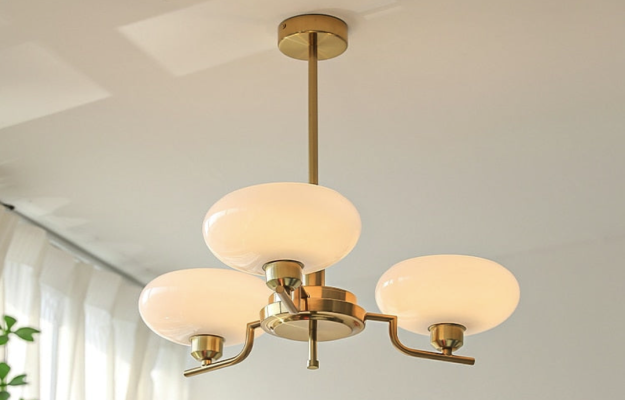
LightingOpal glass and brass arm lighting fixtures represent a distinct category within decorative and functional illumination. These luminaires often feature a combination of materials chosen for their aesthetic appeal and light-diffusing properties. The opal glass, typically milk-white or frosted, serves to soften and homogenize light, reducing glare and creating a more ambient atmosphere. Brass, a metal alloy primarily composed of copper and zinc, provides a warm, durable, and often ornate framework for the glass elements. This material pairing has a history rooted in periods emphasizing craftsmanship and the incorporation of natural materials into interior design.
This article will explore the characteristics, historical context, design typologies, technological considerations, and stylistic applications of elegant opal glass and brass arm lighting. It aims to provide a comprehensive overview for those interested in interior design, historical decorative arts, and the evolution of lighting technology.
The use of opal glass and brass in lighting emerged gradually, influenced by advancements in glassmaking and metalworking, as well as evolving aesthetic sensibilities.
The development of techniques to create opaque or translucent glass, such as opal glass, marked a significant step. Early forms of opacification involved the addition of bone ash or tin oxide to molten glass. These methods allowed for the production of glass that diffused light more effectively than clear or colored glass, which was crucial for developing more comfortable and aesthetically pleasing artificial light sources.
Brass has long been valued for its malleability, resistance to corrosion, and inherent luster. Its use in decorative objects, including lighting fixtures, gained prominence during periods of increased industrialization and a flourishing of the arts and crafts movements. Brass could be cast, spun, or forged into intricate shapes, allowing for the creation of detailed mountings and structural elements that complemented the optical qualities of opal glass.
The Victorian and Edwardian eras, in particular, saw a significant proliferation of elaborate and decorative lighting. Opal glass shades, often etched or patterned, were frequently paired with brass bases and arms. This period was characterized by a desire for ornamentation and a fusion of practicality with artistic expression. Chandeliers, wall sconces, and table lamps from this time frequently employed the opal glass and brass combination, reflecting the prevailing design trends.
While the heyday of purely decorative fixtures may have passed, the aesthetic of opal glass and brass has seen periodic revivals. Contemporary designers often reinterpret classic forms, incorporating modern manufacturing techniques and electrical components. These modern adaptations can range from minimalist interpretations that highlight the inherent beauty of the materials to more complex designs that integrate them with newer lighting technologies.
Opal glass and brass arm lighting encompasses a diverse range of fixture types, each serving different functional and aesthetic purposes. The “arm” in this context typically refers to the supporting structure that suspends or extends the light source and its shade.
Wall sconces are a common application for opal glass and brass arm lighting. The arms in these fixtures extend from a wall-mounted base, holding one or more opal glass shades.
These are the most straightforward, featuring a single arm that supports a single shade. They are often used for accent lighting or in hallways and smaller rooms. The arm might be straight, curved, or even S-shaped, allowing for variations in projection from the wall.
More elaborate wall sconces can feature multiple arms branching from a central backplate. These can accommodate several opal glass shades, increasing the overall light output and creating a more visually impactful display. The arrangement of arms can be symmetrical or asymmetrical, contributing to the fixture’s overall character.
Opal glass shades suspended by brass arms are also characteristic of pendant lights and chandeliers. Here, the arms often serve to position multiple shades around a central stem or canopy.
A single opal glass shade suspended by a brass arm from a ceiling canopy is a common form. The arm in this case might be a decorative element itself or a simple connector, dictating the distance of the shade from the ceiling.
Chandeliers incorporating opal glass and brass arms can range from relatively simple configurations to grand, multi-tiered arrangements. The arms in a chandelier can extend outwards and upwards, creating a sense of volume and distributing light across a larger area. The interplay of light reflecting off the brass and diffusing through the opal glass is often a key feature of these designs.
The combination is also utilized in freestanding lamps, where brass arms support the opal glass shades and house the electrical components.
Table lamps might feature a single brass arm that curves over to hold a lamp on a base, or multiple articulated arms that allow for adjustable positioning of the light. The opal glass shade softens the light, making it suitable for reading or task lighting.
Floor lamps often employ a taller brass stem with one or more arms extending outwards, typically at a height conducive to ambient room lighting or focused task lighting. The stability of the base is paramount in these designs, as the brass arms and glass shades can add significant visual weight.
The selection of opal glass and brass is driven by their unique material properties, which contribute significantly to the aesthetic and functional outcomes of the lighting fixtures.
Opal glass is characterized by its milky or translucent appearance, achieved through the suspension of fine particles within the glass matrix.
The primary functional benefit of opal glass is its ability to diffuse light. Instead of emitting a harsh, direct beam, it spreads the light evenly, reducing glare and creating a more comfortable visual experience. This diffusion acts like a veil, softening the raw intensity of the light source.
High-quality opal glass typically exhibits a neutral white color when unlit, which allows it to accurately render the colors of its surroundings when illuminated. When lit, it typically emits a warm, inviting glow, further enhancing the ambient quality of the light. The glass itself can also have subtle variations in opacity, contributing to its unique visual character.
Brass offers a combination of durability, workability, and a distinct visual appeal that has made it a staple in decorative arts for centuries.
Brass possesses a naturally warm, golden hue that complements a wide range of interior design styles. Its luster can be polished to a high shine, reflecting light and adding a sense of opulence, or it can be left with a more subdued patina, offering a vintage or aged aesthetic.
The relative softness of brass compared to iron or steel allows it to be shaped into intricate designs through various metalworking techniques, including casting, spinning, and engraving. This workability enabled the creation of highly detailed arms, mounting hardware, and decorative accents on fixtures, showcasing the skill of the artisan.
Over time, brass develops a patina – a surface layer of oxidation that alters its color and texture. This aging process can be desirable, imparting a sense of history and character to the fixture. Many users choose to preserve or even enhance this patina, adding to the unique appeal of older pieces.
While the aesthetic appeal of opal glass and brass arm lighting is clear, their integration with modern lighting technology is crucial for their continued relevance and functionality.
The transition from incandescent bulbs to more energy-efficient and technologically advanced light sources has had a significant impact on the design and performance of these fixtures.
Historically, opal glass and brass fixtures were designed to accommodate incandescent bulbs, which produced heat and had a relatively short lifespan. Halogen bulbs offered a brighter, more focused beam but also generated considerable heat. Dimmers were often incorporated to control the intensity of light from these sources.
The advent of CFLs provided a more energy-efficient alternative, but their color rendering could sometimes be inconsistent and they often required a warm-up period. Integrating CFLs into enclosed opal glass shades sometimes presented thermal management challenges.
LED technology represents a paradigm shift. LEDs offer superior energy efficiency, longevity, and a wide range of color temperatures and brightness levels. Crucially, LEDs generate significantly less heat, which is beneficial for extending the lifespan of both the LED and the surrounding materials.
Adapting traditional designs to modern lighting technologies presents certain challenges.
While LEDs are cooler, some designs may still require attention to heat dissipation, particularly if enclosed for aesthetic reasons. Proper ventilation and the use of heat-conductive materials within the fixture are important considerations.
The physical dimensions and shapes of LED bulbs can differ from older incandescent types. Fixture designs, particularly the aperture of the opal glass shade, must accommodate these modern bulbs without compromising the overall aesthetic or light distribution.
LEDs require drivers and power supplies to function. Integrating these electronic components discreetly into the fixture’s design, often within the base or an extended arm, is a key aspect of modern product development. The goal is to maintain the elegant appearance of the brass and glass without visible bulk.
Modern fixtures often incorporate dimming features, allowing users to adjust light levels. The integration of smart lighting technologies, enabling remote control via apps or voice commands, is also becoming increasingly common, adding a layer of functional sophistication to these classic designs.
Elegant opal glass and brass arm lighting can be integrated into a wide array of interior design styles, offering a bridge between classic elegance and contemporary sensibilities.
In settings that embrace historical accuracy or a more traditional aesthetic, these fixtures serve as authentic elements.
Replicated or authentic fixtures from these eras can add a layer of historical resonance, complementing ornate furniture, rich textiles, and detailed architectural mouldings. The gentle glow of opal glass in a period room creates an atmosphere of warmth and familiar comfort.
The warm tones of brass and the soft light of opal glass align well with the rustic charm and understated elegance of French Provincial or country-inspired interiors. They can provide a touch of gentle illumination without overpowering the natural materials and softer color palettes often found in these styles.
Beyond purely historical contexts, opal glass and brass arm lighting can act as a unifying element in transitional spaces, blending old and new.
In an eclectic interior, a well-chosen opal glass and brass fixture can serve as a focal point, connecting disparate elements. A more streamlined brass sconce with a simple opal shade, for instance, can add a touch of polished sophistication to a room filled with a variety of furniture styles and decorative objects.
These fixtures are particularly adept at providing soft, ambient light, which is a cornerstone of good interior design. They can supplement task lighting or introduce a welcoming glow to living rooms, dining areas, and bedrooms. The way the light spills and diffuses can soften hard edges and create a more inviting mood, much like a gentle tide smoothing the shores of a room.
Contrary to initial assumptions, opal glass and brass can also find their place in modern and minimalist interiors, provided the design is approached with a discerning eye.
Contemporary designs often feature brass arms with clean, geometric lines and elegant opal glass shades. These can act as sculptural elements within a minimalist space, adding a touch of refined warmth without becoming overly ornamental.
In a modern context, the emphasis may shift to the inherent beauty and texture of the materials themselves. A fixture with a brushed brass finish and a precisely crafted opal glass shade can provide a sophisticated counterpoint to sleek finishes and minimalist furniture. The contrast between the warm, yielding brass and the cool, smooth glass can be a source of subtle visual interest.
Milk glass chandeliers have a long history, and when combined with Parisian design principles, they can lend a unique ambiance to a space. This article will explore the history and aesthetic appeal of milk glass chandeliers, and how they can be incorporated into interior design […]
LightingMilk glass chandeliers have a long history, and when combined with Parisian design principles, they can lend a unique ambiance to a space. This article will explore the history and aesthetic appeal of milk glass chandeliers, and how they can be incorporated into interior design to evoke a Parisian sensibility.
Milk glass, a type of opaque or translucent glass, has a manufacturing history dating back to the 18th century. Initially developed in Venice, it gained significant popularity in the United States and Europe throughout the 19th century. Its appeal stemmed from its resemblance to porcelain and alabaster, offering a more affordable alternative for decorative items. The characteristic milky appearance is achieved by adding opacifying agents, such as tin oxide or bone ash, to the molten glass mixture.
The production of milk glass became more widespread in the mid-19th century. Manufacturers realized its potential for creating a variety of forms, from tableware and decorative objects to lighting fixtures. Early methods often involved hand-blowing and molding techniques, resulting in unique pieces. As industrialization progressed, mass production methods were adopted, making milk glass more accessible to a broader consumer base.
During the Victorian era, milk glass was frequently used for ornamental purposes. Its ability to be pressed into intricate molds made it ideal for producing elegant and detailed pieces. This era saw the creation of many collectible milk glass items, including hobnail patterns, animal figures, and decorative bowls. The subtle glow it emitted when lit also contributed to its desirability for interior decoration.
The properties of milk glass made it a natural fit for lampshades and, subsequently, chandeliers. Its diffusion of light created a softer, more ambient illumination compared to clear glass. This characteristic was particularly valued in domestic settings where a gentle and inviting atmosphere was desired.
Parisian style in interior design is often characterized by a blend of classic elegance, personal curation, and a sense of effortless sophistication. It is not about adhering to rigid rules, but rather about cultivating an atmosphere that feels lived-in, elegant, and distinctly personal. This approach often prioritizes quality over quantity and embraces a timeless aesthetic.
Many Parisian apartments and homes feature original architectural details that form the foundation of the design. These can include high ceilings, ornate moldings, parquet flooring, and large windows. These elements provide a sense of grandeur and history, which contemporary furnishings are then layered upon.
The intricate plasterwork that adorns ceilings and walls is a hallmark of Parisian interiors. These moldings add visual interest and a sense of refinement, serving as a subtle frame for the overall décor. When selecting lighting, designers often consider how it will complement these existing architectural features.
The characteristic herringbone or chevron pattern of parquet flooring is ubiquitous in Parisian homes. This enduring style adds warmth, texture, and a classic European feel to any room. The natural wood tones provide a grounding element that balances richer decorative elements.
Unlike some minimalist styles, Parisian design embraces a degree of controlled imperfection. This is not about sloppiness, but rather about allowing items to show their age or wear, suggesting a history and personal connection. A vintage find or a piece of antique furniture is often more valued than something brand new and pristine.
The natural patina that develops on antique furniture or decorative objects is seen as an asset. Vintage pieces are not just decorative; they are narrative elements that tell a story. This approach extends to lighting, where older fixtures might be refurbished rather than replaced.
Parisian interiors often feature a thoughtful layering of textiles and textures. This can include velvet upholstery, linen drapes, silk cushions, and natural fiber rugs. This creates a tactile and visually rich environment, inviting occupants to engage with the space.
The dominant color palette in Parisian design tends to be neutral and understated, often featuring whites, creams, grays, and muted earthy tones. This provides a sophisticated backdrop for carefully chosen accent pieces. These accents, when they appear, are often in richer, bolder hues or feature more intricate patterns.
The emphasis on neutral walls and large furniture pieces creates a calming and elegant foundation. This allows other elements, such as artwork or a statement light fixture, to stand out without overwhelming the space.
While not overtly colorful, Parisian style incorporates color strategically. This might be through a richly upholstered accent chair, a vibrant piece of art, or a subtly colored rug. The effect is one of considered indulgence rather than overt display.
A milk glass chandelier can serve as a significant element in achieving a Parisian ambiance. Its inherent characteristics, when thoughtfully integrated, can contribute to the desired blend of elegance, warmth, and history. The diffused light it casts can soften a room, creating an inviting and intimate atmosphere, reminiscent of the gentle lighting found in many European homes.
Milk glass chandeliers often possess a classic silhouette, drawing from historical lighting designs. This inherent timelessness aligns perfectly with the enduring appeal of Parisian interiors. They are not subject to fleeting trends but rather contribute a consistent sense of sophistication.
Many milk glass chandeliers feature forms that have been popular for decades, if not centuries. This includes tiered designs, globe shapes, and traditional candlestick styles adapted for electrical lighting. Their proportions are often designed to be proportionate to room size, avoiding overwhelming or undersized appearances.
Even mass-produced milk glass fixtures can exhibit a certain refinement in their design and construction. The smooth, opaque surface of the milk glass itself offers a soft, pleasing aesthetic. When combined with metal accents, such as brass or polished nickel, they can lend a polished and elegant finish.
The primary functional and aesthetic contribution of a milk glass chandelier is its light diffusion. Unlike clear glass, which can cast harsh, direct light, milk glass softens and disperses the illumination. This creates a gentle glow that is both functional and flattering.
The opaque nature of milk glass filters the light, preventing glare and creating a more comfortable visual experience. This is ideal for creating a relaxed and welcoming atmosphere, conducive to conversation and relaxation. The light is not a stark spotlight, but rather a luminous wash that bathes the room.
The quality of light significantly impacts the mood of a room. A milk glass chandelier’s diffused glow can impart a sense of warmth, intimacy, and tranquility. This is particularly effective in living rooms, dining rooms, and bedrooms, where comfort and relaxation are prioritized.
While providing ample illumination, milk glass chandeliers typically avoid creating overly harsh shadows. This results in a more even and pleasing distribution of light, contributing to a balanced and harmonious interior.
The visual characteristics of milk glass chandeliers allow them to integrate seamlessly into various styles that inform Parisian design. They can complement both more traditional, ornate settings and more contemporary, curated spaces.
In rooms with existing architectural details like moldings and vintage furniture, a milk glass chandelier can feel like an authentic extension of the original design. It adds a touch of historical resonance without appearing anachronistic.
Conversely, a milk glass chandelier can also provide a soft counterpoint to more modern, minimalist furniture and décor. Its classic form and gentle light can introduce warmth and a touch of vintage charm to a contemporary space, preventing it from feeling sterile. This creates an interesting dialogue between the old and the new.
The selection and placement of a milk glass chandelier require careful consideration to ensure it enhances, rather than detracts from, your interior design. The goal is to achieve a harmonious integration that elevates the overall aesthetic.
The size of the chandelier relative to the room is paramount. An oversized fixture can overwhelm a small space, while an undersized one might appear lost in a grander room. As a general guideline, the diameter of the chandelier should be roughly half the width of the room.
Before purchasing, measure the length and width of the room. Consider the ceiling height as well, as taller ceilings can accommodate larger or more elaborate chandeliers. A general rule of thumb for chandeliers over a dining table is that the bottom of the chandelier should be about 30-36 inches above the tabletop.
Beyond physical dimensions, consider the visual weight of the chandelier. A more intricate or larger milk glass fixture will have a greater visual impact than a simpler, smaller one. This needs to be balanced with the visual weight of other furnishings in the room.
The metal components of a milk glass chandelier play a significant role in its aesthetic integration. Common finishes include polished brass, brushed nickel, antique bronze, and matte black. The choice of finish can significantly alter the chandelier’s overall feel and its compatibility with existing décor.
Polished or antique brass finishes lend a warm, classic, and vintage feel. These are particularly effective in rooms that embrace traditional Parisian elegance, complementing dark woods and rich textiles.
Brushed nickel or polished chrome finishes offer a more contemporary and streamlined aesthetic. These work well when juxtaposed with modern furniture or in spaces that lean towards a more updated interpretation of Parisian style.
Finishes like antique bronze or matte black can introduce a dramatic and grounding element. These can create a striking contrast against lighter walls and are suitable for spaces that aim for a more moody or sophisticated atmosphere.
The placement of a milk glass chandelier should not only be aesthetically pleasing but also functional. Its primary role is often to provide ambient light, but it can also serve as a focal point.
Consider whether the chandelier is intended as the primary source of ambient light for the entire room or if it is meant to illuminate a specific area, such as a dining table or a seating arrangement. In larger rooms, a milk glass chandelier might be supplemented by other light sources.
For a truly Parisian feel, layering light is important. A milk glass chandelier can be the main source of diffused light, but it can be complemented by wall sconces, table lamps, and floor lamps to create varying moods and address different functional needs.
The way a milk glass chandelier interacts with its surrounding décor is crucial for achieving a cohesive Parisian-inspired look. It is rarely an isolated element but rather a component of a larger design narrative.
Parisian style excels at balancing opulence with restraint. A milk glass chandelier, while decorative, has a certain inherent modesty due to its diffused light. This allows it to be paired with more elaborate furnishings without becoming overwhelming.
Antique armoires, velvet-upholstered settees, and ornate mirrors often pair beautifully with milk glass chandeliers. The chandelier can act as a gentle illuminator, highlighting the craftsmanship of older pieces.
In a more modern setting, a milk glass chandelier can introduce a vintage anchor. It can soften the clean lines of contemporary furniture and add a touch of unexpected character, preventing the space from feeling too stark.
The impact of a milk glass chandelier is also influenced by the textiles and wall coverings in the room. Soft, textured fabrics and muted wall colors tend to enhance its glow.
Rich fabrics like velvet, linen, and silk in neutral or muted tones will amplify the ambient effect of the milk glass. These fabrics absorb and reflect light gently, creating a warm and inviting atmosphere.
Light, neutral wall colors – such as off-white, cream, or soft grey – provide an ideal backdrop. They allow the milk glass chandelier’s glow to be the primary light source, without competing color palettes. Darker walls can also work, creating a more dramatic and intimate setting, where the chandelier becomes a luminous beacon.
The placement of artwork and decorative objects around a milk glass chandelier can further define the room’s style. Subtle, curated arrangements tend to align better with Parisian principles.
Instead of displaying a multitude of small items, consider a few well-chosen pieces. This could include framed prints, landscape paintings, or sculptural objects. The chandelier can illuminate these items, drawing attention to their artistic merit.
Mirrors, especially those with ornate frames, are a common feature in Parisian interiors. A milk glass chandelier can be positioned to reflect in a mirror, amplifying its light and creating a sense of depth and spaciousness.
The milk glass chandelier, when viewed through the lens of Parisian interior design, emerges as more than just a light fixture. It embodies a harmonious blend of history,
aesthetic sensibility, and functional warmth. Its ability to cast a soft, diffused glow contributes significantly to the creation of an inviting and elegantly understated atmosphere that is a hallmark of Parisian interiors. The enduring appeal of milk glass chandeliers lies in their timeless elegance and their capacity to integrate seamlessly into diverse design schemes, acting as a quiet yet impactful statement piece. They offer a tangible link to historical craftsmanship while remaining relevant in contemporary living spaces, proving that true style transcends trends. The subtle sophistication they introduce can elevate the everyday, transforming a house into a home with a curated and lived-in charm, embodying the very essence of Parisian chic.
The mid-century modern white glass orb light represents a significant chapter in lighting design, embodying principles that continue to resonate in contemporary interiors. This article examines its origins, design characteristics, cultural impact, and practical considerations for its integration into modern spaces. The development of the […]
LightingThe mid-century modern white glass orb light represents a significant chapter in lighting design, embodying principles that continue to resonate in contemporary interiors. This article examines its origins, design characteristics, cultural impact, and practical considerations for its integration into modern spaces.
The development of the white glass orb light Um4u is intrinsically linked to the broader mid-century modern movement, a period roughly spanning from the mid-1930s to the mid-1960s. This era was characterized by a push towards functionalism, simplicity, and a rejection of elaborate ornamentation in favor of clean lines and organic forms.
Following World War II, a renewed focus on industrial production and material innovation emerged. New manufacturing techniques allowed for the mass production of materials like opal glass, acrylics, and fiberglass, which were crucial to the creation of these lighting fixtures. The availability of these materials, coupled with a desire for accessible yet stylish design, fueled the creation of readily reproducible and impactful household items.
The principles of the German Bauhaus school, though predating the full flourishing of mid-century modernism, profoundly influenced its aesthetic. The Bauhaus emphasized the integration of art and industry, advocating for designs that were both beautiful and functional, suitable for mass production. This ethos directly informed the development of lighting fixtures that prioritized utility and understated form.
The white glass orb light adheres to several core design principles that define its aesthetic and enduring appeal. These principles contribute to its versatility and ability to seamlessly integrate into various design schemes.
At its core, the white glass orb light is defined by its unadorned spherical shape. This simplicity is a deliberate choice, intended to reduce visual clutter and allow the object to exist harmoniously within its environment. The orb acts as a pure geometric form, a fundamental element in design.
Unlike earlier Victorian or Art Deco styles, mid-century modern design largely eschewed elaborate decoration. The white glass orb light embodies this principle, relying solely on its form and material to convey its aesthetic. This absence of excess helps to create a sense of calm and order.
The primary functional characteristic of the white glass orb is its ability to diffuse light. The opal white glass scatters the light source, creating a soft, even illumination that minimizes harsh shadows and glare. This quality is crucial for creating inviting and comfortable environments.
The diffused light cast by these fixtures contributes significantly to the overall ambiance of a room. Rather than a directive beam, the light spills gently, enveloping the space in a warm, consistent glow. This makes them ideal for living areas or bedrooms where a relaxed atmosphere is desired.
One of the key strengths of the white glass orb light is its remarkable versatility. It can be adapted to various lighting applications, from pendant lamps and floor lamps to wall sconces and table lamps, without compromising its core aesthetic.
Whether suspended individually as a focal point, clustered for a dynamic display, or integrated into a larger lighting scheme, the orb light adapts to the demands of the space. Its neutral color and clean form allow it to complement a wide range of interior styles, from minimalist to eclectic.
The white glass orb light transcended its utilitarian function to become a cultural icon, symbolizing a particular moment in design history while retaining its relevance in contemporary aesthetics.
In its heyday, the white glass orb light was a tangible representation of modernity and forward-thinking design. It suggested a break from traditional, elaborate fixtures and an embrace of clean, functional aesthetics. For many, it represented the promise of a new and streamlined future.
The relative simplicity of its construction and material made these lights accessible to a broader demographic. This adherence to principles of democratic design, where good design is available to all, further solidified its cultural impact.
The enduring popularity of the white glass orb light has ensured its continuous influence on subsequent lighting design. Contemporary designers frequently draw inspiration from its minimalist form and effective light diffusion, reinterpreting it for new generations.
You will observe numerous contemporary lighting fixtures that, while not direct copies, clearly pay homage to the white glass orb. These may feature variations in material, scale, or suspension, but the underlying principles of diffused spherical light remain evident. This demonstrates the profound and lasting impact of the original design.
When considering the integration of a white glass orb light into your space, several practical factors require attention to ensure optimal performance and aesthetic harmony.
The size of the orb relative to the room and other furnishings is paramount. A large orb in a small room can overwhelm, while a small orb in a sprawling space may appear insignificant. Consider the visual weight and the role you intend the light to play.
Ensure that the scale of the orb light complements other design elements in the room. If you possess tall ceilings, a larger pendant orb might be appropriate. For a bedside lamp, a more modest size is generally preferred. The objective is visual balance.
While the white glass orb excels at diffused light, its primary function should be considered. Is it intended as ambient lighting, task lighting, or a decorative accent? This will dictate the wattage of the bulb and its optimal placement.
To maximize versatility, installing a dimmer switch with your white glass orb light is advisable. This allows you to adjust the intensity of the light, transitioning from bright illumination for tasks to a softer glow for relaxation, thereby enhancing its functional adaptability.
White glass, while aesthetically pleasing, requires regular cleaning to maintain its pristine appearance and maximize light output. Dust and smudges can diminish its effectiveness and detract from its clean aesthetic.
For most white glass orbs, a soft, damp cloth with a mild detergent is sufficient for cleaning. Avoid abrasive cleaners or harsh chemicals, which can scratch or damage the glass surface. Ensure the fixture is unplugged or switched off before cleaning.
The mid-century modern white glass orb light is more than a simple illumination device; it is a testament to the enduring power of thoughtful design. Its origins in a period of innovation, its adherence to principles of simplicity and functionality, and its lasting cultural resonance collectively cement its place as a timeless artifact of design history. By understanding its characteristics and considering its practical integration, you can effectively leverage its understated elegance to enhance any interior environment. Its ability to create a soft, inviting atmosphere while maintaining a clean, modern aesthetic ensures its continued relevance in contemporary design vernacular. It is a quiet sentinel of good taste, a beacon of refined simplicity that continues to guide interior aesthetics with its unwavering glow.
The Mid-Century Modern (MCM) glass orb light represents a significant design motif from the mid-20th century. Its enduring appeal is rooted in its functional aesthetic and its adherence to principles of modernism. This article explores the origins, characteristics, and lasting influence of this design fixture. […]
LightingThe Mid-Century Modern (MCM) glass orb light represents a significant design motif from the mid-20th century. Its enduring appeal is rooted in its functional aesthetic and its adherence to principles of modernism. This article explores the origins, characteristics, and lasting influence of this design fixture.
The mid-20th century, roughly from the 1930s to the 1960s, was a period of profound social, economic, and technological change. This era saw a departure from ornate, traditional design styles in favor of simpler, more functional forms. The glass orb light, in its various iterations, emerged as a direct response to these evolving design philosophies.
Following World War II, advancements in manufacturing techniques and the availability of new materials, particularly glass, fueled design innovation. Designers sought to create objects that were both aesthetically pleasing and mass-producible, aligning with the burgeoning consumer culture. The glass orb, a simple geometric form, was ideal for this purpose.
The Bauhaus school, with its emphasis on form following function and the integration of art and industry, profoundly influenced MCM design. Architects like Walter Gropius and Ludwig Mies van der Rohe championed clean lines and a minimalist aesthetic. This architectural sensibility translated directly into furniture and lighting design, where unnecessary ornamentation was stripped away, leaving only essential forms. The glass orb, devoid of embellishment, became a three-dimensional manifestation of these principles.
The MCM glass orb light is identifiable by a set of consistent design elements. These characteristics contribute to its distinctive appearance and its continued relevance in contemporary design.
At its core, the MCM glass orb light is defined by its spherical shape. This geometric simplicity is a hallmark of modernism, rejecting the elaborate curves and decorative elements of earlier styles. The perfect sphere, a universal form, evokes a sense of balance and order.
The primary material is typically glass, often opal or frosted, which diffuses light evenly and reduces glare. Clear glass variations also exist, emphasizing the incandescent bulb within as a design element. Metal components, such as brass, brushed nickel, or chrome, are
used for the suspension, base, or connecting arms. These metals are often left with a natural finish, highlighting their inherent qualities rather than relying on decorative applications.
Beyond its aesthetic, the glass orb light is designed for functional illumination. The diffusing properties of opal or frosted glass create a soft, ambient glow, reducing harsh shadows and contributing to a comfortable atmosphere. In multi-orb configurations, the light distribution becomes even more comprehensive, casting a gentle radiance throughout a space.
While the fundamental spherical form remains consistent, the MCM glass orb light evolved into numerous variations, adapting to different spatial requirements and design sensibilities. These variations showcase the versatility of the core concept.
The simplest form is the single glass orb pendant, suspended from a ceiling, or a wall sconce, projecting from a vertical surface. These iterations are often used in series, creating a rhythmic pattern of illumination, or as accent lighting in smaller spaces.
More complex arrangements include chandeliers featuring multiple glass orbs suspended from a central canopy or radiating from a central stem. These multi-orb chandeliers became iconic statements in larger rooms, offering both broad illumination and a striking visual centerpiece. Examples include “Sputnik” style chandeliers, which feature multiple arms extending outwards, each terminating in a glass orb – a direct reference to the Space Age design trends of the era.
The glass orb also found its way into floor and table lamp designs. In these applications, the orb is often perched atop a minimalist metal base, further emphasizing its sculptural quality. The interplay of the spherical light source with the linear or geometric base created a compelling visual contrast.
Several designers and manufacturers played pivotal roles in popularizing and innovating the MCM glass orb light. Their contributions helped establish its place in design history.
Poul Henningsen, although more known for his layered lamps, explored light diffusion in a way that influenced designers working with glass. Gino Sarfatti, an Italian designer, created numerous multi-light fixtures that often incorporated spherical diffusers. His “Sputnik” chandelier designs, though not exclusively glass orb-based, solidified the aesthetic of radiating light sources.
In the United States, companies like George Nelson Associates produced influential pendant and bubble lamps that, while not strictly glass orbs, shared a similar commitment to diffused, soft light. Designers such as Isamu Noguchi, though known for paper lanterns, contributed to the broader mid-century exploration of light as a form-giving element. European manufacturers, particularly in Italy and Scandinavia, became centers for producing high-quality glass lighting, further solidifying the orb’s place in the market.
The enduring appeal of the MCM glass orb light lies in its timeless aesthetic and its ability to seamlessly integrate into diverse interior design styles, from historical reproductions to contemporary minimalist spaces.
The clean lines and simple form of the glass orb allow it to complement a wide range of furnishings and architectural styles. It is not limited to mid-century modern interiors; rather, it acts as a subtle anchor, providing both illumination and an understated design statement. It can illuminate a contemporary living room, grace a traditional dining area, or add a touch of sophistication to an industrial loft. This adaptability is its strength, allowing it to transcend fleeting trends. Consider its role: it doesn’t shout for attention, but rather provides a confident, steady presence.
Contemporary lighting design frequently draws inspiration from the MCM glass orb. Many modern fixtures incorporate similar spherical diffusers, often with updated materials or technological advancements such as LED integration. This homage demonstrates the lasting impact of the original design principles and their continued relevance in addressing current needs for both form and function. It is a benchmark against which new lighting designs are often measured, a kind of design Rosetta Stone for accessible sophistication.
The MCM glass orb light, in its various manifestations, stands as a testament to the power of thoughtful, functional design. It reminds us that elegance does not necessarily originate from extravagance, but often from precision, balance, and a clear understanding of purpose. Its continued presence in homes, offices, and public spaces worldwide confirms its status as a seminal object in architectural lighting and a enduring symbol of the mid-century modern aesthetic. Its simple form acts as a quiet curator of light, delivering illumination without overwhelming the visual landscape.
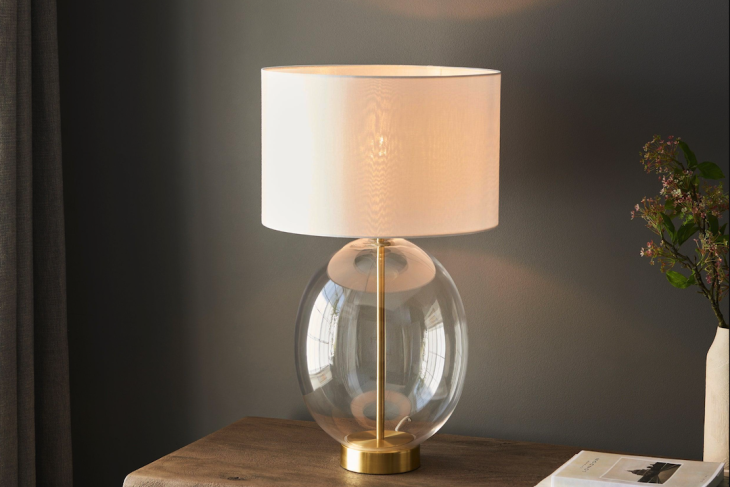
Contemporary lighting serves both functional and aesthetic purposes in modern homes and offices. The Modern Brass Oval Glass Touch Desk Lamp combines traditional materials with current technology to provide practical illumination while serving as a decorative element. This desk lamp features a brass frame with […]
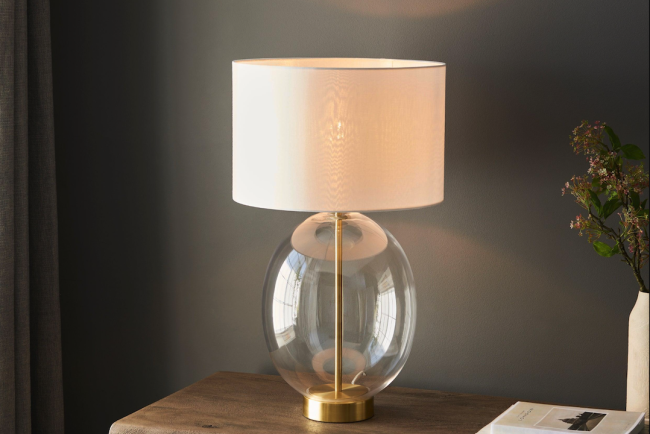
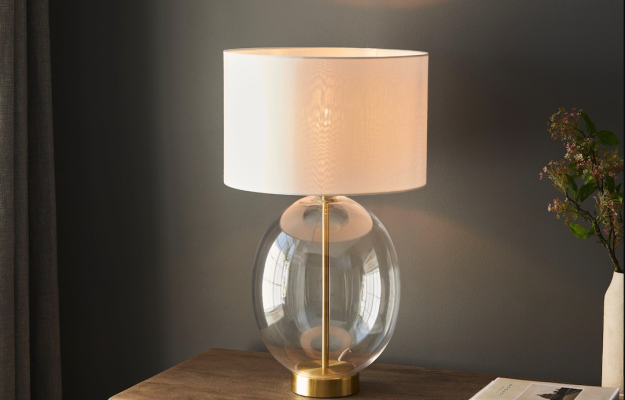
Lighting Table lampContemporary lighting serves both functional and aesthetic purposes in modern homes and offices. The Modern Brass Oval Glass Touch Desk Lamp combines traditional materials with current technology to provide practical illumination while serving as a decorative element. This desk lamp features a brass frame with glass components and incorporates touch-activated controls.
The oval-shaped design allows it to complement various interior styles, from minimalist office settings to residential reading areas. The brass and glass construction provides durability while creating visual interest through the contrast of metallic and transparent materials. The touch control system eliminates the need for traditional switches, allowing users to operate the lamp through simple contact with designated areas on its surface.
This feature streamlines the user experience and contributes to the lamp’s clean, modern appearance by reducing visible mechanical components. The lamp’s dimensions and proportions make it suitable for desk surfaces, side tables, and other furniture pieces commonly found in work and living spaces. Its design accommodates both task lighting needs and ambient lighting preferences, making it adaptable to different usage scenarios throughout the day.
The design of the Modern Brass Oval Glass Touch Desk Lamp Hozodesign is a harmonious blend of classic and contemporary elements. The brass finish exudes warmth and richness, while the oval glass shade softens the light, creating an inviting glow that enhances any room’s atmosphere. The lamp’s silhouette is both elegant and understated, making it versatile enough to complement various decor styles, from industrial chic to mid-century modern.
The use of high-quality materials ensures durability, allowing the lamp to maintain its aesthetic appeal over time. One of the standout features of this lamp is its touch-sensitive technology, which allows users to turn it on or off with a simple tap. This intuitive design eliminates the need for traditional switches, making it particularly convenient for those who may have their hands full or prefer a streamlined approach to lighting control.
Additionally, many models come equipped with adjustable brightness settings, enabling users to customize the light intensity according to their needs—whether for focused work or creating a relaxing ambiance during leisure time. The lamp’s energy-efficient LED bulbs not only provide ample illumination but also contribute to lower energy consumption, making it an eco-friendly choice.
Functionality is at the heart of the Modern Brass Oval Glass Touch Desk Lamp’s design. Its user-friendly interface allows for effortless operation, appealing to individuals who value convenience in their daily routines. The touch-sensitive feature is particularly advantageous in busy environments where quick access to lighting is essential.
Users can easily switch between different brightness levels with a gentle tap, ensuring that they have the right amount of light for any task at hand. Moreover, the lamp’s compact size makes it suitable for various settings, whether on a desk, bedside table, or even a small shelf. Its lightweight construction allows for easy relocation, enabling users to adapt their lighting setup as needed.
This flexibility is especially beneficial in home offices or shared spaces where multiple users may have different lighting preferences. The lamp’s design also minimizes clutter; without bulky switches or cords, it maintains a clean aesthetic that aligns with modern design principles.
The benefits of incorporating the Modern Brass Oval Glass Touch Desk Lamp into your space extend beyond mere aesthetics. One significant advantage is its ability to enhance productivity through effective lighting. Proper illumination is crucial for reducing eye strain and improving focus, particularly in work environments where prolonged screen time is common.
By providing adjustable brightness levels, this lamp allows users to create an optimal lighting environment tailored to their specific tasks. In addition to its functional benefits, the lamp also contributes to overall well-being by fostering a calming atmosphere. The warm glow emitted by the glass shade can help create a serene environment conducive to relaxation and creativity.
This is particularly important in home settings where individuals seek refuge from the stresses of daily life. Furthermore, the stylish design serves as a conversation starter, adding character to any room and reflecting the owner’s taste and personality.
Incorporating the Modern Brass Oval Glass Touch Desk Lamp into your home or office can be both an enjoyable and creative process. One effective approach is to consider the existing color palette and decor style of your space. The brass finish pairs beautifully with neutral tones, deep jewel colors, and even vibrant hues, making it a versatile addition that can enhance various design schemes.
For instance, placing the lamp on a dark wood desk can create a striking contrast that draws attention while maintaining an elegant look. Another way to integrate this lamp is by using it as part of a layered lighting strategy. In spaces where ambient lighting is essential, such as living rooms or bedrooms, the desk lamp can serve as an accent light that complements overhead fixtures or wall sconces.
Positioning it on a side table next to a comfortable chair can create an inviting reading nook, while placing it on a desk can provide focused task lighting without overwhelming the space. Additionally, grouping it with other decorative elements—such as books, plants, or art pieces—can enhance its visual impact and create a cohesive look.
Customer feedback plays a crucial role in understanding the value and performance of any product, including the Modern Brass Oval Glass Touch Desk Lamp. Many users praise its elegant design and versatility, noting how well it fits into various decor styles while adding a touch of sophistication to their spaces. Reviews often highlight the lamp’s ease of use; customers appreciate the touch-sensitive feature that allows for quick adjustments without fumbling for switches.
Moreover, users frequently comment on the quality of light produced by the lamp. The adjustable brightness settings receive particular acclaim for their ability to cater to different activities—whether reading, working on a computer, or simply creating a cozy atmosphere for relaxation. Some customers have also noted its energy efficiency as a significant advantage, emphasizing how it provides ample illumination without significantly impacting their electricity bills.
Overall, feedback indicates that this lamp not only meets but often exceeds customer expectations in both functionality and design.
Maintaining the Modern Brass Oval Glass Touch Desk Lamp is relatively straightforward, ensuring that it remains a beautiful and functional addition to your space for years to come. Regular cleaning is essential to preserve its aesthetic appeal; dust can accumulate on both the brass surface and glass shade over time. A soft microfiber cloth dampened with water or a gentle glass cleaner can effectively remove smudges and fingerprints without scratching the surfaces.
It is also important to consider the longevity of the lamp’s LED bulbs. While these bulbs are designed for extended use and typically last much longer than traditional incandescent bulbs, they may still require replacement after several years of use. When replacing bulbs, it’s advisable to choose high-quality LED options that match the original specifications to ensure optimal performance and energy efficiency.
Additionally, checking connections and ensuring that the touch-sensitive feature remains responsive can help maintain functionality over time.
The Modern Brass Oval Glass Touch Desk Lamp encapsulates everything one could desire in contemporary lighting: style, functionality, and ease of use. Its elegant design not only enhances any space but also serves practical purposes that cater to modern lifestyles. With features like touch sensitivity and adjustable brightness levels, this lamp stands out as an essential tool for productivity while simultaneously creating an inviting atmosphere.
As individuals continue to seek ways to personalize their environments, this lamp emerges as a versatile solution that complements various decor styles while providing essential lighting benefits. Whether used in a home office, living room, or bedroom, its presence adds character and sophistication that resonates with users’ tastes and preferences. Ultimately, investing in the Modern Brass Oval Glass Touch Desk Lamp is not just about acquiring a lighting fixture; it’s about enhancing one’s living experience through thoughtful design and functionality.
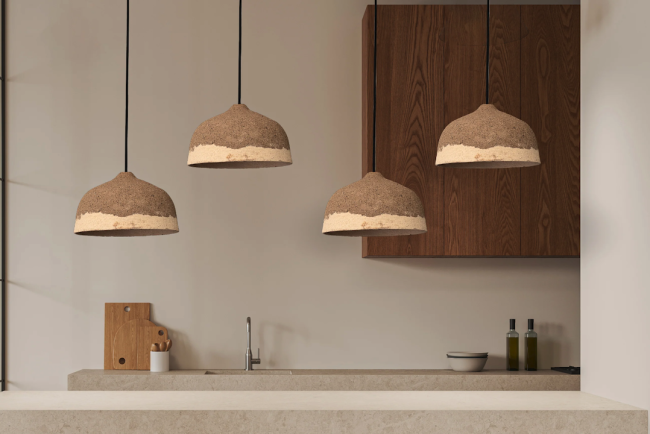
Nordic style, often referred to as Scandinavian design, has its roots deeply embedded in the cultural and historical contexts of the Nordic countries, which include Denmark, Finland, Iceland, Norway, and Sweden. Emerging in the early 20th century, this design philosophy was heavily influenced by the […]
Ceiling light LightingNordic style, often referred to as Scandinavian design, has its roots deeply embedded in the cultural and historical contexts of the Nordic countries, which include Denmark, Finland, Iceland, Norway, and Sweden. Emerging in the early 20th century, this design philosophy was heavily influenced by the region’s harsh climate and the need for functional yet aesthetically pleasing living spaces. The movement gained significant traction during the post-World War II era when there was a surge in interest in modernism and minimalism.
Designers sought to create pieces that were not only beautiful but also practical, reflecting the values of simplicity and functionality that are hallmarks of Nordic culture. The ethos of Nordic style is characterized by a deep connection to nature, which is evident in the use of natural materials and a color palette inspired by the surrounding landscapes. The early proponents of this style, such as Alvar Aalto and Hans Wegner, emphasized craftsmanship and the importance of creating designs that could withstand the test of time.
This focus on durability and sustainability has continued to resonate in contemporary interpretations of Nordic design, making it a timeless choice for modern interiors. The integration of light into these designs is particularly noteworthy, as it reflects the long winters and short days typical of the region, leading to an emphasis on bright, airy spaces that promote well-being.
Travertine is a unique natural stone that has been used in architecture and design for centuries. Formed from mineral deposits in hot springs or limestone caves, travertine is characterized by its porous surface and distinctive texture. The stone comes in a variety of colors, ranging from soft beige to rich browns and even deep reds, making it a versatile choice for various design applications.
One of the most appealing aspects of travertine is its ability to blend seamlessly with both modern and traditional aesthetics, allowing it to be used in a wide range of interior styles. The porous nature of travertine gives it a unique visual appeal, as it often features small holes and pits that add character and depth to its surface. This texture not only enhances its beauty but also contributes to its functionality; travertine is known for its excellent thermal properties, making it a popular choice for flooring in warmer climates.
Additionally, its durability ensures that it can withstand heavy foot traffic without losing its charm. When used in lighting fixtures, such as ceiling lights Seanoon, travertine can diffuse light beautifully, creating a warm and inviting atmosphere in any space.
Ceiling lights have undergone significant transformations throughout history, evolving from simple functional fixtures to intricate designs that serve as focal points in interior spaces. In ancient times, lighting was primarily provided by candles or oil lamps suspended from ceilings or placed on tables. As technology advanced, so did the design and functionality of ceiling lights.
The introduction of electric lighting in the late 19th century marked a turning point, allowing for more elaborate designs and greater versatility in illumination. The early 20th century saw the rise of Art Deco and Bauhaus movements, which emphasized geometric shapes and clean lines in lighting design. These styles paved the way for mid-century modern designs that embraced organic forms and innovative materials.
Today, ceiling lights come in an array of styles, from minimalist fixtures that blend seamlessly into their surroundings to bold statement pieces that draw attention. The evolution of ceiling lights reflects broader trends in interior design, with an increasing emphasis on sustainability and the use of natural materials like wood, metal, and stone.
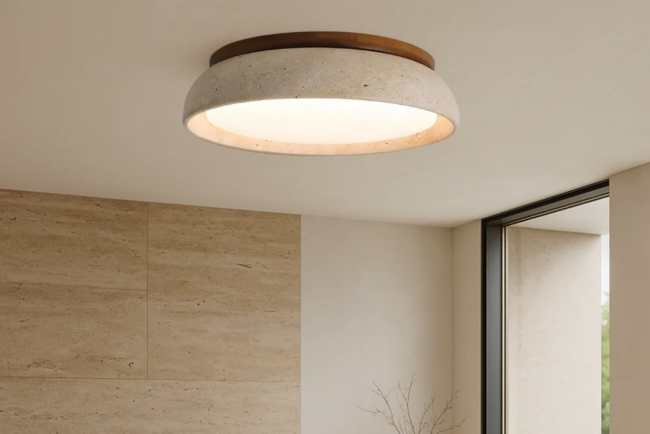
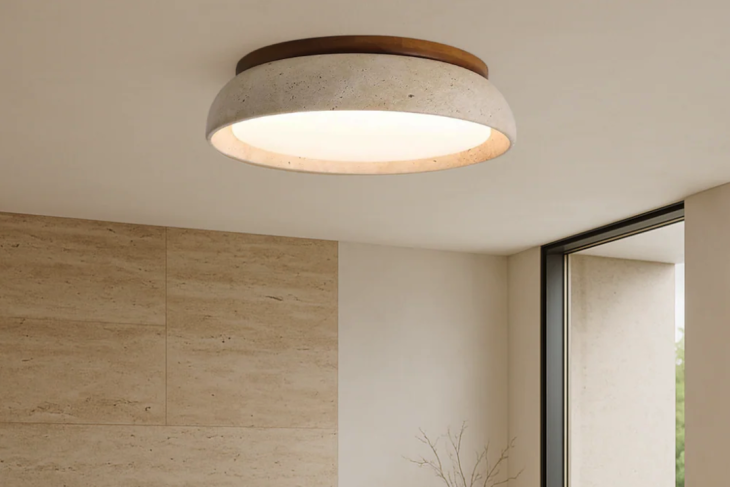
The Nordic style travertine ceiling light embodies the principles of simplicity, functionality, and natural beauty that define Scandinavian design. These fixtures often feature clean lines and minimalist forms that allow the inherent beauty of travertine to shine through. By utilizing this natural stone in lighting design, manufacturers create pieces that not only illuminate spaces but also serve as works of art.
The combination of travertine’s unique texture and color variations with sleek metal or wood accents results in a harmonious balance between rustic charm and modern elegance. One notable example of this design philosophy can be seen in contemporary Nordic-style ceiling lights that incorporate travertine shades or bases. These fixtures often utilize LED technology to provide energy-efficient lighting while enhancing the warm glow emitted by the stone.
The interplay between light and shadow created by travertine’s porous surface adds depth to any room, making these ceiling lights not just functional but also visually captivating. As more homeowners seek to create serene and inviting environments, the Nordic style travertine ceiling light stands out as a timeless choice that transcends fleeting trends.
Travertine has long been celebrated for its elegance and versatility in interior design. Its natural beauty allows it to complement a wide range of styles, from rustic farmhouse aesthetics to sleek modern interiors. When incorporated into flooring, countertops, or decorative elements, travertine adds a touch of sophistication while maintaining a warm and inviting atmosphere.
Its unique texture creates visual interest without overwhelming other design elements, making it an ideal choice for those looking to achieve a balanced aesthetic. In addition to its aesthetic appeal, travertine is also prized for its durability and ease of maintenance. Unlike some other natural stones that may require extensive care, travertine can be cleaned with simple soap and water solutions.
This practicality makes it an attractive option for high-traffic areas or spaces where durability is essential. Furthermore, its ability to retain heat makes it a popular choice for flooring in homes with radiant heating systems. As designers continue to explore innovative ways to incorporate natural materials into their work, travertine remains a staple due to its timeless elegance and functional benefits.
Integrating Nordic style travertine ceiling lights into your home can elevate your interior design while providing functional illumination. These fixtures can be strategically placed in various areas to enhance both aesthetics and ambiance. In living rooms or dining areas, a statement travertine ceiling light can serve as a focal point above a dining table or seating arrangement, drawing attention while providing ample light for gatherings.
The warm glow emitted by travertine creates an inviting atmosphere that encourages relaxation and social interaction. In bedrooms or home offices, smaller travertine ceiling lights can be used to create a serene environment conducive to rest or productivity. The soft diffusion of light through the stone can help reduce harsh shadows while adding a touch of elegance to the space.
Additionally, incorporating these fixtures alongside other natural materials—such as wooden furniture or textile accents—can enhance the overall Nordic aesthetic. By thoughtfully selecting where to place these ceiling lights, homeowners can create cohesive spaces that reflect their personal style while embracing the principles of Scandinavian design.
Maintaining travertine ceiling lights requires some attention to ensure their longevity and continued beauty. Due to its porous nature, travertine can be susceptible to staining if not properly cared for. Regular dusting with a soft cloth can help prevent dirt buildup on the surface.
For deeper cleaning, using a mild soap solution with warm water is recommended; harsh chemicals should be avoided as they can damage the stone’s finish. After cleaning, it’s essential to dry the surface thoroughly to prevent moisture from seeping into the pores. In addition to regular cleaning, periodic sealing can help protect travertine from stains and enhance its natural luster.
A high-quality stone sealer should be applied every few years or as needed based on usage and exposure to moisture. This protective layer not only helps maintain the stone’s appearance but also makes cleaning easier over time. By following these maintenance guidelines, homeowners can ensure that their Nordic style travertine ceiling lights remain beautiful focal points in their interiors for years to come.
As sustainability continues to be a driving force in design trends, the future of Nordic style travertine ceiling lights looks promising. With an increasing emphasis on eco-friendly materials and practices, designers are likely to explore innovative ways to incorporate travertine into lighting solutions while minimizing environmental impact. This could involve sourcing travertine from sustainable quarries or utilizing reclaimed materials in new designs.
Moreover, advancements in lighting technology may lead to even more efficient ways to illuminate spaces using travertine fixtures. The integration of smart lighting systems could allow homeowners to control brightness levels or color temperatures through mobile applications or voice commands, enhancing both convenience and energy efficiency. As consumers become more conscious of their choices regarding sustainability and aesthetics, Nordic style travertine ceiling lights will likely continue to evolve while remaining true to their roots—combining natural beauty with functional design for timeless appeal in modern interiors.
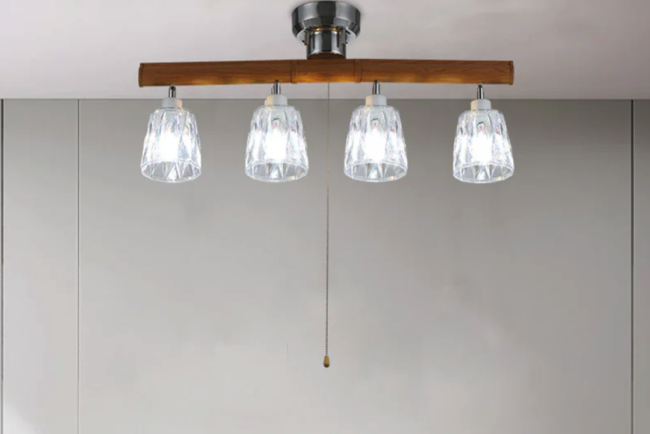
Retro zipper ceiling lights have emerged as a captivating trend in interior design, seamlessly blending nostalgia with modern aesthetics. These fixtures, characterized by their unique design reminiscent of vintage zippers, evoke a sense of whimsy and charm that can transform any space. The retro style […]
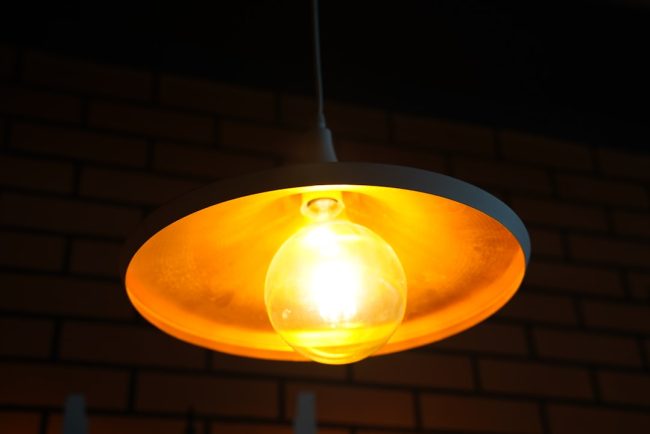
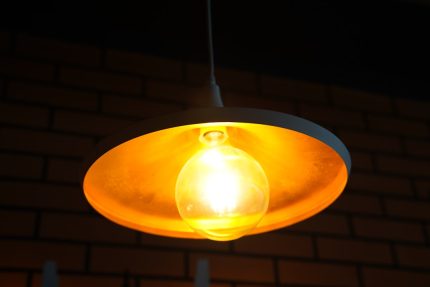
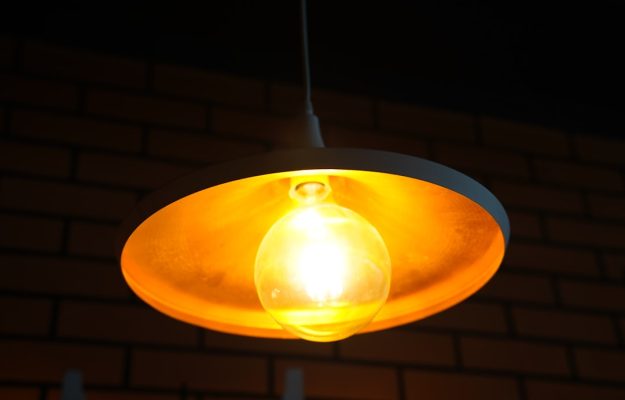
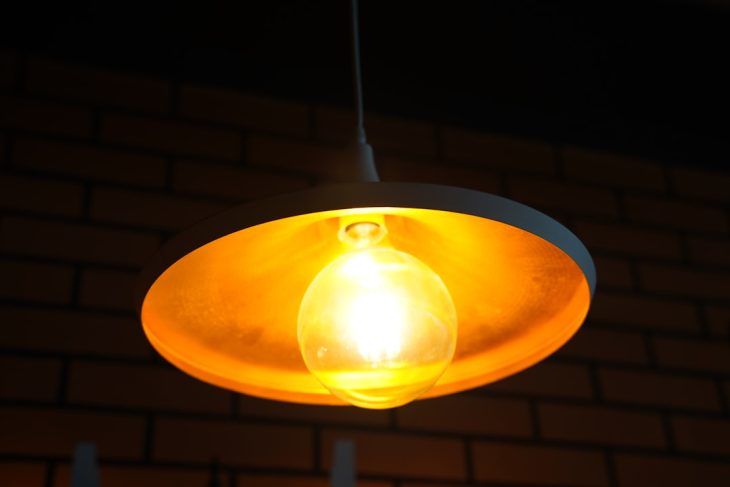
Ceiling light LightingRetro zipper ceiling lights have emerged as a captivating trend in interior design, seamlessly blending nostalgia with modern aesthetics. These fixtures, characterized by their unique design reminiscent of vintage zippers, evoke a sense of whimsy and charm that can transform any space. The retro style often draws inspiration from mid-20th century design, where bold shapes and playful elements were celebrated.
As homeowners and designers alike seek to create environments that reflect personal style while also paying homage to the past, retro zipper ceiling lights 88off have become a popular choice. The allure of these lights lies not only in their distinctive appearance but also in their versatility. They can be integrated into various design schemes, from industrial lofts to cozy cottages.
The interplay of materials, such as metal and glass, along with the intricate detailing of the zipper motif, adds depth and character to the lighting fixture. As we delve deeper into the benefits, selection process, installation tips, and styling ideas for retro zipper ceiling lights, it becomes clear that these fixtures are more than just sources of illumination; they are statement pieces that can redefine the ambiance of a room.
One of the primary benefits of retro zipper ceiling lights is their ability to serve as a focal point in any room. Unlike conventional lighting fixtures that may blend into the background, these lights command attention with their unique design. This characteristic makes them ideal for spaces where you want to make a bold statement, such as dining areas or living rooms.
The eye-catching nature of these fixtures can spark conversation and intrigue among guests, enhancing the overall atmosphere of your home. In addition to their aesthetic appeal, retro zipper ceiling lights also offer practical advantages. Many models are designed with energy efficiency in mind, utilizing LED technology that not only reduces electricity consumption but also extends the lifespan of the bulbs.
This eco-friendly aspect aligns with the growing trend toward sustainable living, allowing homeowners to enjoy stylish lighting without compromising their commitment to environmental responsibility. Furthermore, the adjustable brightness options available in many retro zipper designs enable users to customize the lighting according to their needs, whether for a cozy evening or a vibrant gathering.
Selecting the perfect retro zipper ceiling light involves considering several factors that align with your personal style and the specific requirements of your space. First and foremost, it is essential to assess the size of the room where the fixture will be installed. A large, dramatic zipper light can serve as a stunning centerpiece in a spacious living room, while smaller models may be more appropriate for intimate settings like bedrooms or hallways.
The scale of the light should harmonize with the dimensions of the room to create a balanced look. Another critical aspect to consider is the color scheme and overall decor style of your space. Retro zipper ceiling lights come in various finishes, including brass, chrome, and matte black, each offering a different vibe.
For instance, a brass-finished light can add warmth and richness to a room with earthy tones, while a sleek chrome option may complement a more modern or minimalist aesthetic. Additionally, consider the type of bulbs used in the fixture; warm white bulbs can create a cozy atmosphere, while cooler tones may lend a more contemporary feel.
Installing retro zipper ceiling lights can be a straightforward process if approached with careful planning and attention to detail. Before beginning installation, ensure that you have all necessary tools on hand, including a screwdriver, wire connectors, and a voltage tester. Safety should always be your top priority; turn off the power at the circuit breaker to avoid any electrical hazards during installation.
Once you have prepared your workspace, begin by removing any existing light fixtures. Carefully follow the manufacturer’s instructions for mounting the new retro zipper ceiling light. Most fixtures will require you to attach a mounting bracket to the ceiling first.
After securing the bracket, connect the wiring according to color codes—typically black (or red) for live wires and white for neutral wires. Once all connections are made and secured with wire connectors, carefully attach the light fixture to the mounting bracket and restore power to test its functionality. If you are unsure about any step in this process, consulting a professional electrician is always advisable.
To ensure that your retro zipper ceiling lights remain in pristine condition and continue to function effectively over time, regular maintenance is essential. Dust accumulation can dull the finish and reduce the brightness of the light emitted from the fixture. A simple routine of dusting with a soft cloth or using a microfiber duster can help maintain its luster.
For deeper cleaning, especially if there are fingerprints or smudges on glass components, use a gentle glass cleaner and a soft cloth to avoid scratching. Additionally, it is important to periodically check the electrical components of your retro zipper ceiling lights. Inspecting for loose connections or signs of wear can prevent potential issues down the line.
If you notice flickering lights or any unusual behavior from your fixture, it may be time to replace bulbs or consult an electrician for further evaluation. By taking these proactive steps in maintenance and care, you can ensure that your retro zipper ceiling lights remain both functional and visually appealing for years to come.
Incorporating retro zipper ceiling lights into your decor can enhance your interior design significantly. These fixtures can be styled in various ways to complement different themes and aesthetics within your home. For instance, in an industrial-themed space characterized by exposed brick walls and metal accents, a vintage-inspired zipper light can harmonize beautifully with other elements like metal furniture or rustic wood accents.
The juxtaposition of materials creates an inviting atmosphere that feels both modern and timeless. Moreover, retro zipper ceiling lights can also be used strategically to highlight specific areas within a room. For example, placing one above a dining table not only provides essential illumination but also creates an intimate dining experience.
In living rooms, grouping multiple smaller zipper lights can create layered lighting effects that add depth and dimension to the space. By considering placement and arrangement thoughtfully, you can maximize the impact of these unique fixtures while enhancing your overall decor.
The versatility of retro zipper ceiling lights allows them to be creatively utilized in various rooms throughout your home. In kitchens, for instance, these fixtures can serve as stylish task lighting above islands or countertops where food preparation occurs. Their unique design can add character to an otherwise utilitarian space while providing ample illumination for cooking activities.
In bedrooms, retro zipper ceiling lights can contribute to a cozy ambiance when paired with soft bedding and warm color palettes. A single fixture above a bedside table can create an inviting reading nook, while multiple fixtures can be used in larger spaces to provide balanced lighting throughout the room. Additionally, using these lights in hallways or entryways can create an inviting first impression for guests as they enter your home.
Retro zipper ceiling lights offer an exciting opportunity to revamp your space with their unique blend of style and functionality. By understanding their benefits and how to choose the right fixture for your needs, you can enhance your home’s aesthetic while enjoying practical lighting solutions. The installation process is manageable with proper preparation and safety precautions, ensuring that you can enjoy your new lighting without hassle.
Regular maintenance will keep these fixtures looking their best while creative styling options allow you to integrate them seamlessly into various rooms throughout your home. Whether you’re aiming for an industrial vibe or seeking warmth in a cozy bedroom setting, retro zipper ceiling lights provide endless possibilities for enhancing your interior design narrative. Embracing this trend not only adds character but also reflects a thoughtful approach to creating spaces that resonate with personal style and comfort.
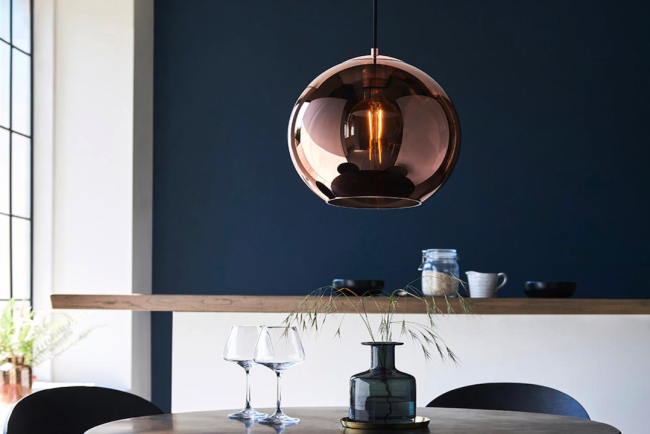
In the realm of interior design, lighting plays a pivotal role in shaping the ambiance and functionality of a space. Among the myriad of lighting options available, the stylish modern round glass copper lamp stands out as a striking blend of contemporary aesthetics and timeless […]
LightingIn the realm of interior design, lighting plays a pivotal role in shaping the ambiance and functionality of a space. Among the myriad of lighting options available, the stylish modern round glass copper lamp stands out as a striking blend of contemporary aesthetics and timeless elegance. This lamp not only illuminates a room but also serves as a statement piece that can elevate the overall decor.
With its unique combination of materials—glass and copper—it captures attention and sparks conversation, making it an ideal choice for various settings, from cozy living rooms to chic dining areas. The allure of the round glass copper lamp Woolerdesign lies in its versatility. It can seamlessly fit into a variety of design schemes, whether you lean towards minimalism, industrial chic, or even bohemian styles.
The transparent glass allows light to diffuse beautifully, creating a warm and inviting atmosphere, while the copper accents add a touch of sophistication and warmth. As more homeowners and designers seek to create spaces that reflect their personal style, this lamp emerges as a popular choice that marries form and function in an exquisite manner.
The design of the stylish modern round glass copper lamp is characterized by its clean lines and harmonious proportions. Typically, the lamp features a spherical glass shade that allows for maximum light diffusion, creating an ethereal glow that enhances any room’s ambiance. The glass is often crafted with precision, ensuring clarity and brilliance that showcases the beauty of the light source within.
The round shape not only adds a soft touch to the overall aesthetic but also makes it adaptable to various placements, whether on a side table, desk, or as part of a larger lighting arrangement. Copper, as a material, is known for its durability and distinctive color that ranges from warm reddish-brown to a more muted patina over time. In the context of this lamp, copper elements are often used in the base or as decorative accents, providing a striking contrast to the glass shade.
The interplay between the cool transparency of glass and the warm tones of copper creates a visual balance that is both modern and inviting. Many designs also incorporate innovative features such as adjustable brightness settings or energy-efficient LED bulbs, enhancing their functionality while maintaining aesthetic appeal.
One of the primary benefits of incorporating a round glass copper lamp into your home is its ability to create an inviting atmosphere. The soft glow emitted by the lamp can transform a stark room into a cozy haven, making it perfect for relaxation or entertaining guests. The lamp’s design allows it to diffuse light evenly, reducing harsh shadows and creating a warm environment that encourages social interaction.
This quality makes it an excellent choice for living rooms, dining areas, or even bedrooms where ambiance is key. In addition to its aesthetic contributions, the round glass copper lamp also offers practical advantages. The use of energy-efficient bulbs not only reduces electricity consumption but also extends the lifespan of the lamp itself.
Furthermore, the combination of glass and copper is not just visually appealing; it is also easy to clean and maintain. Unlike some materials that may require special care or treatment, glass can be wiped down with a simple glass cleaner, while copper can be polished to maintain its luster or allowed to develop a natural patina over time. This blend of beauty and practicality makes the lamp an ideal choice for busy households.
Incorporating a round glass copper lamp into your home decor can be both an exciting and creative endeavor. One effective approach is to consider the existing color palette and style of your space. For instance, if your decor features neutral tones such as whites, grays, or beiges, the warm copper accents of the lamp can serve as a focal point that adds depth and interest without overwhelming the space.
Placing the lamp on a side table next to a plush sofa or armchair can create an inviting reading nook that beckons relaxation. Alternatively, if your home embraces bold colors or eclectic patterns, the sleek design of the round glass copper lamp can provide a refreshing contrast. In this scenario, consider using multiple lamps in different sizes or heights to create visual interest while maintaining cohesion through their shared materials.
For example, pairing a larger floor lamp with smaller table lamps can establish layers of light that enhance both functionality and style. Additionally, placing the lamp near reflective surfaces such as mirrors or metallic decor can amplify its beauty by creating captivating reflections that draw the eye.
To ensure that your stylish modern round glass copper lamp remains a stunning centerpiece in your home for years to come, proper maintenance and care are essential. The glass shade should be cleaned regularly to prevent dust buildup and maintain its clarity. A simple solution of warm water mixed with mild dish soap can be used along with a soft microfiber cloth to gently wipe down the surface.
Avoid using abrasive cleaners or scrubbers that could scratch the glass; instead, opt for gentle cleaning methods that preserve its pristine condition. The copper components of the lamp may require occasional polishing to retain their shine. Over time, copper can develop a natural patina that some may find appealing; however, if you prefer to keep it looking new, using a specialized copper cleaner can help restore its original luster.
Apply the cleaner with a soft cloth and follow up with a dry cloth to remove any residue. Additionally, ensure that all electrical components are functioning properly by checking connections and replacing bulbs as needed. Regular maintenance not only enhances the lamp’s appearance but also ensures its longevity.
Finding the perfect stylish modern round glass copper lamp is easier than ever thanks to various retail options available today. Many home decor stores offer an extensive selection of lighting fixtures that cater to different tastes and budgets. Major retailers such as Wayfair, West Elm, and Overstock often feature curated collections that include this type of lamp, allowing customers to browse through various styles and price points conveniently.
For those who prefer unique or artisanal pieces, exploring local boutiques or online marketplaces like Etsy can yield exceptional finds. These platforms often showcase handcrafted lamps made by independent artisans who prioritize quality and design integrity. Additionally, visiting home improvement stores like Home Depot or Lowe’s may provide access to more functional options that blend style with practicality.
Regardless of where you choose to shop, it’s essential to consider factors such as return policies and warranty options to ensure satisfaction with your purchase.
Customer reviews play an invaluable role in guiding potential buyers toward making informed decisions about their purchases. Many users who have invested in stylish modern round glass copper lamps rave about their aesthetic appeal and functionality. Common praises include comments on how well these lamps complement various decor styles while providing ample lighting for different activities—be it reading, entertaining guests, or simply enhancing the ambiance of a room.
Moreover, testimonials often highlight the ease of maintenance associated with these lamps. Customers appreciate how simple it is to clean both the glass shade and copper accents without requiring specialized products or techniques. Some reviews also mention how well these lamps hold up over time, maintaining their beauty even after prolonged use.
Such positive feedback reinforces the idea that investing in a round glass copper lamp is not only about enhancing decor but also about acquiring a durable piece that stands the test of time.
The stylish modern round glass copper lamp embodies a unique fusion of contemporary design and classic elegance that resonates with diverse tastes in home decor. Its ability to illuminate spaces while serving as an artistic statement makes it an essential addition for anyone looking to enhance their living environment. With features that prioritize both aesthetics and functionality, this lamp proves itself as more than just a source of light; it becomes an integral part of your home’s narrative.
As you explore ways to incorporate this exquisite piece into your decor scheme, consider how its design complements your existing elements while adding warmth and sophistication. With proper care and maintenance, your round glass copper lamp will not only illuminate your home but also stand as a testament to timeless style for years to come. Whether you choose to purchase from local boutiques or online retailers, investing in this lamp is sure to elevate your space into one that reflects your personal taste and appreciation for quality design.
Wabi-sabi is a Japanese aesthetic philosophy that celebrates the beauty found in imperfection, transience, and the natural world. Rooted in Zen Buddhism, this concept encourages individuals to appreciate the fleeting nature of life and the unique characteristics that come with age and wear. The essence […]
ChandelierWabi-sabi is a Japanese aesthetic philosophy that celebrates the beauty found in imperfection, transience, and the natural world. Rooted in Zen Buddhism, this concept encourages individuals to appreciate the fleeting nature of life and the unique characteristics that come with age and wear. The essence of wabi-sabi lies in its ability to evoke a sense of peace and contentment through simplicity and authenticity.
It invites us to find beauty in the mundane, to cherish the patina of time, and to embrace the irregularities that make each object or experience unique. In a world often dominated by mass production and perfectionism, wabi-sabi offers a refreshing perspective. It encourages us to slow down and observe the subtleties of our surroundings, fostering a deeper connection with the materials and objects we encounter.
This aesthetic can be seen in various forms, from rustic pottery to weathered wood, each telling a story of its journey through time. By embracing wabi-sabi, we cultivate an appreciation for the natural cycles of life, recognizing that beauty often lies in the ephemeral and the imperfect.
The principle of embracing imperfection in design is at the heart of wabi-sabi. This approach challenges conventional notions of beauty that prioritize symmetry, uniformity, and flawless finishes. Instead, it celebrates asymmetry, irregular shapes, and the unique marks left by time and use.
Designers who adopt this philosophy often seek out materials that exhibit natural variations, such as reclaimed wood or handmade ceramics, which carry their own stories and character. Incorporating imperfection into design can manifest in various ways. For instance, a handcrafted table may feature uneven edges or a slight warp, yet these characteristics enhance its charm and authenticity.
Similarly, textiles with irregular patterns or colors can add depth and warmth to a space, creating an inviting atmosphere that feels lived-in rather than sterile. By embracing imperfection, designers can create environments that resonate with authenticity and invite personal connection, allowing individuals to feel more at home in their surroundings.
Rough ceramic textures are a quintessential element of the wabi-sabi aesthetic, embodying the philosophy’s celebration of natural materials and their inherent imperfections. Unlike polished ceramics that exude a sense of uniformity and perfection, rough ceramics showcase the raw beauty of clay in its most organic form. The tactile quality of these pieces invites touch and interaction, encouraging a sensory experience that transcends mere visual appreciation.
The allure of rough ceramic texture lies not only in its aesthetic appeal but also in its ability to evoke a sense of history and authenticity. Each piece tells a story through its surface—cracks, glazes, and uneven finishes all contribute to its unique character. For example, a hand-thrown bowl may display subtle variations in thickness or an unintentional drip of glaze that adds to its charm.
These imperfections serve as reminders of the human touch involved in its creation, fostering a deeper connection between the object and its owner.
Wabi-sabi chandeliers Dililamp offer an exquisite way to infuse warmth and character into any space while adhering to the principles of this aesthetic philosophy. Unlike traditional chandeliers that often prioritize opulence and grandeur, wabi-sabi designs focus on simplicity and organic forms. These fixtures may feature materials such as reclaimed wood, wrought iron, or hand-blown glass, each contributing to an overall sense of rustic elegance.
The soft glow emitted by wabi-sabi chandeliers creates an inviting ambiance that encourages relaxation and contemplation. Imagine a dining room illuminated by a chandelier crafted from weathered branches intertwined with delicate glass orbs; the interplay of light and shadow enhances the room’s warmth while highlighting the beauty of natural materials. Such lighting fixtures not only serve a functional purpose but also act as focal points that draw attention to the unique textures and forms inherent in their design.
Integrating wabi-sabi elements into modern interiors can create a harmonious balance between contemporary design and traditional aesthetics. This fusion allows for spaces that feel both timeless and relevant, inviting occupants to appreciate the beauty of imperfection within a modern context. One effective way to achieve this is by selecting furniture pieces that embody wabi-sabi principles—think handcrafted tables with visible joinery or chairs made from reclaimed materials.
In addition to furniture choices, incorporating natural elements such as plants or organic textiles can enhance the wabi-sabi vibe within modern interiors. A simple linen throw draped over a sofa or a collection of potted succulents on a windowsill can introduce softness and warmth into an otherwise sleek environment. By juxtaposing clean lines with organic textures, homeowners can create spaces that feel inviting and lived-in while still maintaining a contemporary edge.
Embracing transience and simplicity is central to the wabi-sabi philosophy, encouraging individuals to find joy in the present moment while acknowledging the impermanence of life. This perspective invites us to let go of our attachment to material possessions and societal expectations, allowing us to appreciate what truly matters—experiences, relationships, and moments of beauty that arise unexpectedly. In practical terms, this might manifest as decluttering one’s living space to create an environment that feels open and serene.
By surrounding ourselves with only those items that resonate with us personally—whether it be a cherished piece of art or a handmade ceramic mug—we cultivate an atmosphere that reflects our values and priorities. This intentional approach fosters mindfulness, encouraging us to savor each moment rather than rushing through life in pursuit of perfection.
Finding beauty in the unconventional is a hallmark of the wabi-sabi aesthetic, challenging us to look beyond traditional standards of beauty and appreciate what is often overlooked. This perspective encourages us to seek out objects and experiences that may not fit neatly into societal norms but possess their own unique charm. For instance, a weathered stone found on a beach may hold more significance than a polished gemstone; its irregular shape and natural markings tell a story that resonates on a deeper level.
In design, this principle can be applied by incorporating unexpected elements into our spaces—such as using salvaged materials for furniture or displaying art created from found objects. These choices not only add character but also invite conversation and reflection on the stories behind each piece. By embracing the unconventional, we open ourselves up to new possibilities for creativity and self-expression, allowing our spaces to reflect our individuality.
A wabi-sabi chandelier serves as a timeless and unique addition to any home, embodying the principles of imperfection and natural beauty while enhancing the overall aesthetic of a space. These chandeliers often feature organic shapes and materials that resonate with the surrounding environment, creating an atmosphere that feels both grounded and ethereal. Whether crafted from driftwood or adorned with hand-blown glass elements, each piece tells its own story through its design.
The versatility of wabi-sabi chandeliers allows them to complement various interior styles—from rustic farmhouse to modern minimalist—while adding an element of warmth and character that mass-produced lighting fixtures often lack. Their ability to evoke emotion through simplicity makes them not just functional objects but also works of art that inspire contemplation and connection. As such, incorporating a wabi-sabi chandelier into your home can transform your space into a sanctuary where beauty is found in every detail, inviting you to embrace life’s imperfections with open arms.